

Olives, long celebrated in Mediterranean cuisine, are slowly gaining popularity in Indian households—and for good reason. These small but mighty fruits are not just flavour-enhancing additions to salads and pizzas; they’re packed with nutrients that support heart health, digestion, immunity, and even weight management.
Whether you’re a health-conscious urban professional or a homemaker seeking smarter snacking choices, here’s why adding olives to your Indian diet can be a smart, science-backed decision.
What Are Olives and Why Are They Trending in India?
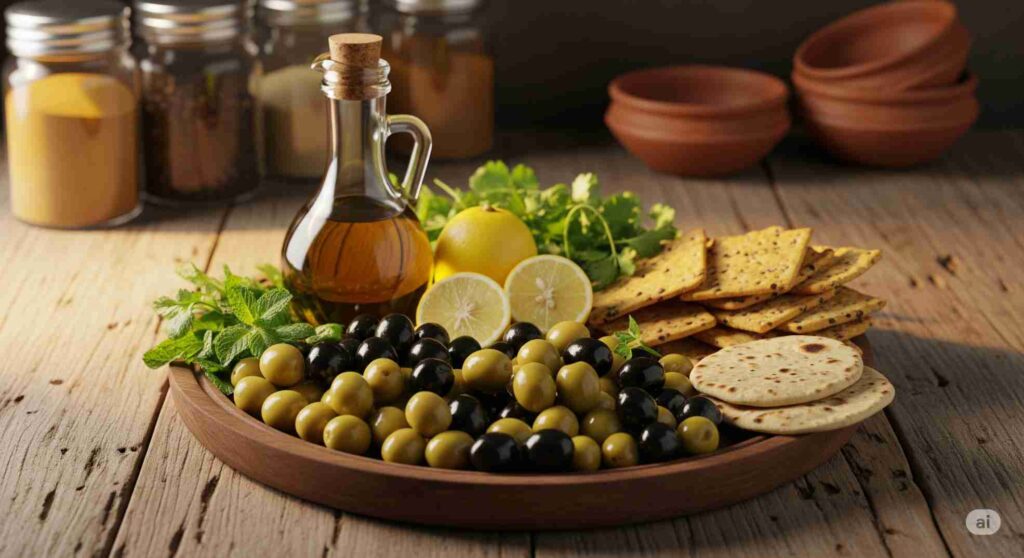
Olives are the fruit of the olive tree (Olea europaea), cultivated for over 6,000 years in the Mediterranean region. However, with increasing global exposure and rising demand for healthy fats in India, olives are now available in many Indian supermarkets and online stores in forms like:
- Green or black table olives (brined or dry)
- Olive oil (extra virgin or cold pressed)
- Stuffed or sliced olives for culinary use
The Indian gourmet and wellness markets are embracing olives for their versatility and health benefits—especially as concerns around heart disease, obesity, and diabetes continue to rise.
Top Health Benefits of Eating Olives
1. Rich in Heart-Healthy Monounsaturated Fats
One of the biggest reasons olives are good for you is their high content of oleic acid, a type of monounsaturated fat. Oleic acid helps:
- Lower bad LDL cholesterol
- Improve good HDL cholesterol
- Reduce inflammation markers
💡 Indian relevance: With heart disease being the leading cause of death in India, swapping trans-fat-laden snacks with a few olives can contribute to better cardiac health.
2. Powerful Antioxidants to Fight Free Radicals
Olives are packed with antioxidants like vitamin E, polyphenols, and oleuropein, which:
- Protect cells from oxidative stress
- Support immune function
- Help slow ageing and inflammation-related disorders
💡 Tip: Add a few olives to your evening salad or homemade hummus with roti to supercharge your antioxidant intake.
3. Improves Digestion and Gut Health
The polyphenols in olives can positively influence the gut microbiome by:
- Reducing harmful gut bacteria
- Promoting good bacteria growth
- Easing bloating and digestive discomfort
💡 Ayurvedic note: Though not a traditional Indian food, olives pair well with gut-friendly Indian spices like cumin, fennel, and ajwain.
4. May Support Weight Management
Despite being high in fat, olives can aid in weight management because:
- The healthy fats keep you full longer
- They help regulate insulin sensitivity
- Olives are low in carbohydrates
💡 Smart swap: Replace namkeen or fried snacks with a handful of olives or olive tapenade on whole-grain toast.
5. Supports Brain Health and Memory
Oleic acid and polyphenols in olives may enhance cognitive function and protect against neurodegenerative diseases like Alzheimer’s. A 2023 review in Nutrients journal found regular olive consumption improves memory retention and focus in middle-aged adults.
💡 Use case: For Indian office-goers or students, olives can be a smart snack before mentally demanding tasks.
6. Improves Skin and Hair Health
Vitamin E and antioxidants in olives support collagen production and protect skin cells from sun and pollution damage—major concerns in Indian cities.
💡 Beauty benefit: Include olives in your diet for glowing skin and shinier hair. You can also apply olive oil topically as a natural moisturizer.
How to Eat Olives the Indian Way
Here’s how to include olives in your Indian meals:
- Add sliced green olives to chaat or sprout salad
- Use chopped olives in paneer wraps or whole-wheat sandwiches
- Top dalia or quinoa khichdi with brined olives
- Mix with cucumber-raita for a creamy, tangy twist
- Pair olives with masala hummus and wholegrain crackers
How Many Olives Can You Eat Per Day?
Nutritionists recommend 5 to 7 olives a day for healthy adults, as part of a balanced diet. They’re naturally salty, so moderation is key—especially for those with high blood pressure.
Which Olives Oils Should You Buy in India?
Choose unsalted, brined, or dry olives from trusted Indian or international brands. Look for:
- Extra virgin olive oil for raw use
- Cold-pressed or pomace oil for Indian-style cooking
- Glass-jarred or vacuum-packed olives over canned ones for better quality
Final Thoughts: Should You Add Olives to Your Diet?
Yes—especially if you’re aiming to eat more mindfully, heart-healthily, and nutritiously.
Olives are no longer an exotic food reserved for restaurant platters. They’re a functional, wellness-driven ingredient that fits easily into the Indian lifestyle—whether you’re making breakfast poha, assembling a snack plate, or preparing a fusion thali.
By introducing olives into your routine, you’re not just adding flavour—you’re investing in long-term health.
FAQs: Olives and Indian Diet
Q1. Are olives suitable for a vegetarian or Jain diet?
Yes, olives are 100% plant-based and naturally vegetarian. Jains may need to avoid fermented or brined versions depending on personal belief.
Q2. Can olives be consumed during fasting?
Yes, if your fast allows fruits and natural fats. Avoid stuffed or seasoned olives containing additives.
Q3. Can diabetics eat olives?
Yes. Olives are low in sugar and carbs. Their healthy fat content can help manage insulin sensitivity.
Q4. Which is better: Green or black olives?
Both are healthy. Green olives are harvested earlier, black ones later. Choose based on taste—nutritional differences are minor.
Q5. Are there any side effects of eating too many olives?
Yes. Overconsumption can raise sodium levels and may upset digestion. Stick to moderate intake (5–7 per day).
Q6. Is olive oil better than mustard oil or ghee?
Each has unique benefits. Olive oil is great for raw or low-heat use. Ghee and mustard oil are better for high-heat Indian cooking.
Ancient herbs.
Sourced from where they grow wild.
Henna, Bhringraj, Neem, Shikakai — single-ingredient powders grown in their native Indian regions, stone-ground and sealed within 72 hours of harvest. No fillers, no synthetic additives. Just the plant.
7 ISO certifications · Free shipping on orders ₹599+ · Ships from Noida, India
🔬 Reviewed for Scientific Accuracy by:
With over 15 years of academic and clinical experience, Dr. Gautam oversees the scientific and editorial integrity of educational content related to herbs, nutrition, and wellness.
ResearchGate Profile | ORCID
All FarmPURE Blog content is reviewed by domain experts to ensure it reflects the highest standards of botanical integrity, scientific relevance, and practical guidance. Our mission is to promote better health and beauty through the power of organic herbs, spices, and plant-based wellness solutions.
Disclaimer: The information provided in this blog is intended for general wellness and educational purposes only. It is not a substitute for professional medical advice, diagnosis, or treatment. Dr. Rashmi Gautam as scientific reviewers only, and do not provide or endorse personalized medical recommendations. Always consult a qualified healthcare provider before making decisions related to your health.